The Right to Power - Keeping First Nations communities on prepayment connected.
More than 15,000 First Nations’ households or 65,000 people access electricity via prepayment supply arrangements. Household prepayment power meters must be topped up with credit to power the home. When credit runs out, the home is automatically disconnected, cutting off access to lights, power, refrigeration and cooling; all the basic functions of a healthy home.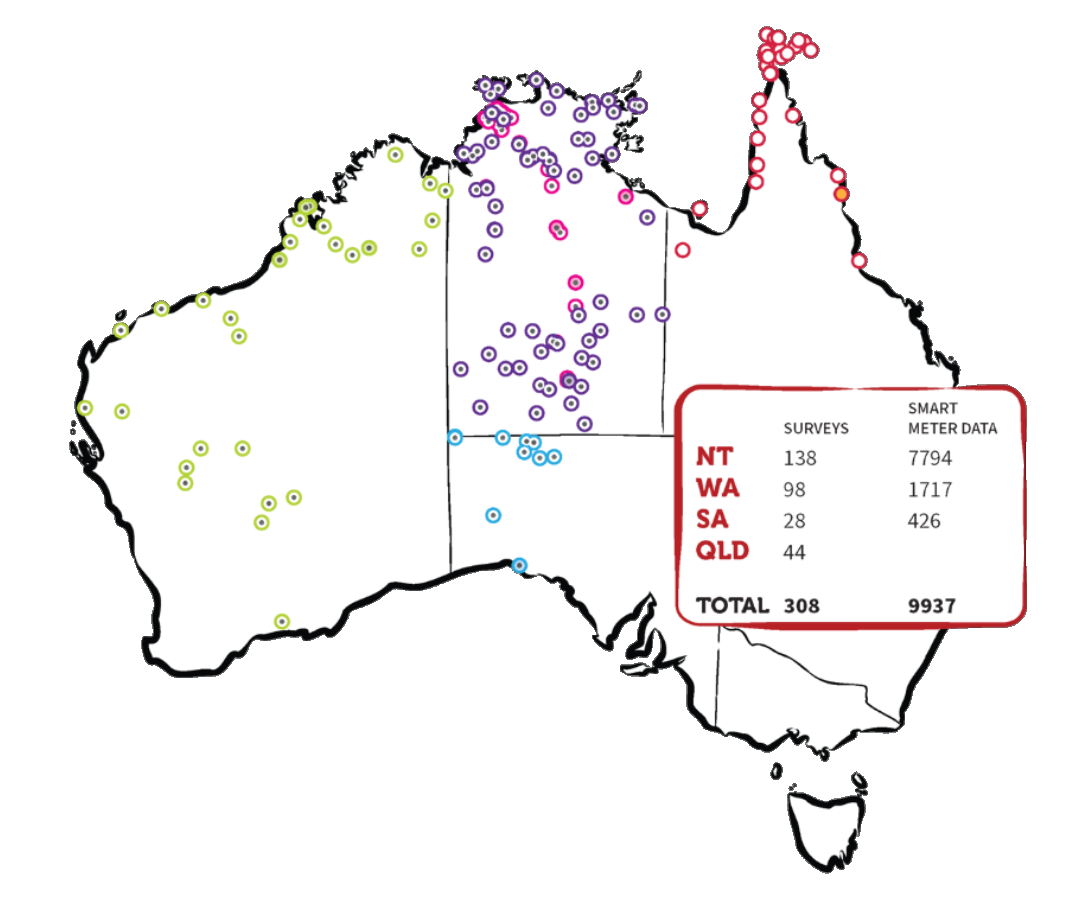
This is the default or mandated supply arrangement across the WA’s Kimberly region, urban and remote parts of the Northern Territory, Far North Queensland and the Torres Strait, and more recently has been rolled out in the APY Lands and Far West Coast communities in South Australia.
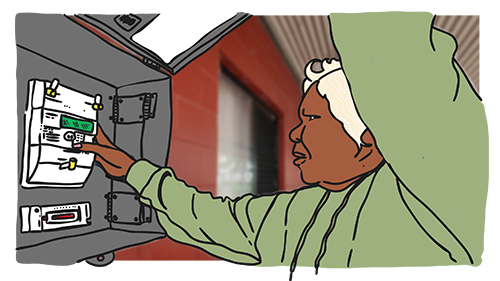
New research conducted by Original Power and the First Nations Clean Energy Network in partnership with Western Sydney University, Tangentyere Aboriginal Corporation, Nulungu Research Institute and Jabalbina Aboriginal Corporation shows that First Nations’ energy customers using prepayment are among the world’s most energy insecure, experiencing an average of 49 disconnections a year - or nearly one a week.
Our landmark report, The Right to Power – Keeping First Nations communities on prepayment connected, is the result of interviews with over 300 households, service providers and electricity retailers, and analyses data from approximately 10,000 household meters to form the first national investigation into First Nations’ experiences of prepayment for electricity.
We found there were 440,000 disconnection events impacting 8,878 households across three States and Territories during a 12-month period. This data captures the experiences of households across four of the five prepayment retailers in Australia. The Queensland State Government’s Ergon Energy was the only retailer not to provide data for the study.
The loss of essential electricity supply has wide-ranging impacts on households including the inability to safely store medicines and food or keep homes at safe temperatures. Regular disconnections are driven by energy affordability challenges and are undermining healthy living practices while driving social and economic disruption for whole communities.
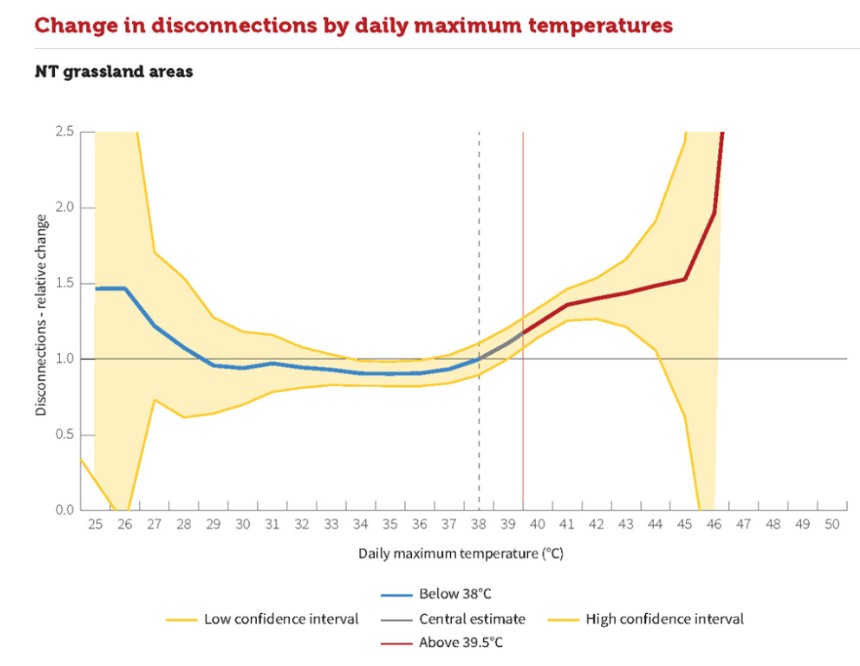
We also found that extreme heat is a major driver of disconnection events, leaving families and vulnerable people at risk during heatwaves. Temperatures over 40 degrees across most prepayment regions resulted in disconnections more than doubling.
The results are alarming, and highlight the urgent need for prepayment reform by our Federal, State and Territory Governments to ensure First Nations’ communities have equal access to fair and affordable energy, regardless of billing arrangements.
The Right to Power report provides 6 key practical recommendations that chart a pathway to genuine energy inclusion for First Nations communities.
1. Require better reporting by retailers, and performance-based monitoring, to achieve meaningful reductions in disconnection events.
2. Adopt clearly defined energy hardship metrics, including an obligation for retailers to pro-actively identify and respond to customers in financial hardship.
3. Remove barriers that exclude prepayment consumers from accessing, owning and enjoying the full benefits of consumer energy resources including rooftop solar, energy efficiency and insulation upgrades, and community microgrids.
4. Implement measures to assist vulnerable people during extreme temperatures and other emergency events
5. Implement national initiatives including a Priority Services Register that improves coordination of targeted support for prepayment and other vulnerable customers
6. Remove mandated prepayment arrangements and provide prepayment customers with the same consumer protections and choice of energy services that non prepayment meter customers enjoy.
Our report shines a national spotlight on the previously hidden experiences of First Nations’ households using prepayment, and charts a path towards energy inclusion for all Australians, with community-led solutions to keep prepayment customers connected to energy.
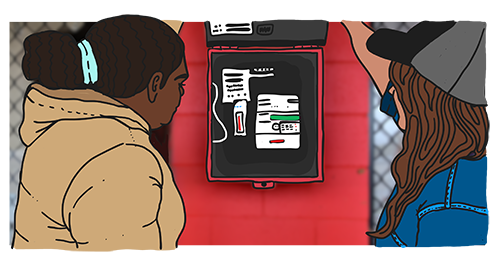
Explore our research, recommendations, and download the Right to Power report here.
Watch the webinar recording from the Report launch on Monday 3 November below.